
Pool Removal in Pleasant Hill

Professional pool demolition for a more usable backyard

How often do you and your children really use the pool? If you compare the value your family gets from the pool with how much time, energy and money you need to sink into it, you may be surprised. That’s why more and more people are looking into pool removal in Pleasant Hill. You can demolish your pool and put something in its place that you’ll actually benefit from, and that won’t cost you so much in maintenance and repairs. Here’s what you need to know about pool removals.

our team was called for this pool removal in Pleasant Hill

How Does Pool Removal Work?

The whole point of getting a pool removal is to make your life easier. We think the process of the removal should be simple too. We take care of every aspect of your pool demolition to ensure it is legal and safe. Here’s our pool removal process:
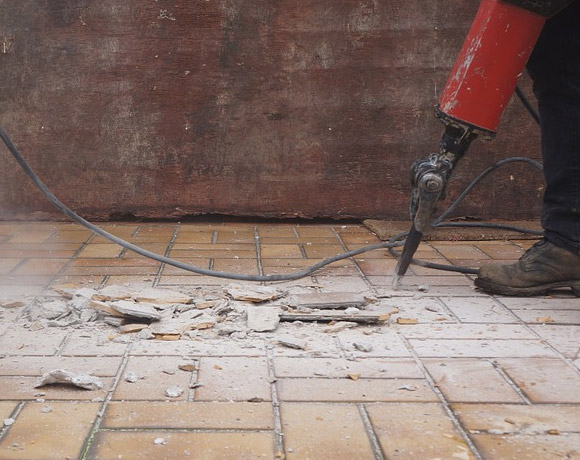
a drained pool being demolished
  • We secure a pool removal permit from Pleasant Hill’s permit office
  • We set a date that’s convenient for you to do the removal
  • We start by draining the pool of water, disposing of the water without negatively impacting the environment and according to local laws
  • We remove the pool shell and dispose of it safely and responsibly
  • We safely cap off the pool’s sewer, electric and gas lines
  • We fill the hole where your pool was with clean dirt
  • We level and tamp the ground to ensure it is safe
  • We may provide a geotechnical report prepare by a soils engineer when required or requested

If you’re curious about any of the details of the pool removal process or what you can do with the ground when we’re done, reach out to us. We’d be happy to help.

FAQ’s

There are several compelling reasons homeowners choose to remove their swimming pools, and most fall into financial, lifestyle, safety, or maintenance-related categories.

Maintenance and Cost: Pools require year-round upkeep, even when not in use. Cleaning, chemical balancing, equipment repairs, and increased utility bills can add up to thousands annually. Many homeowners eventually decide the enjoyment doesn’t justify the ongoing expense.

Safety Concerns: Pools can be hazardous for households with young children, pets, or elderly family members. Removing a pool can significantly reduce liability and improve peace of mind.

Lack of Use: Many people install pools with good intentions, but over time, they may find themselves rarely using them. Life circumstances change—children grow up, or new interests arise—and what was once a selling point becomes a backyard burden.

Desire for More Functional Space: Pool removal opens up backyard possibilities—gardens, patios, outdoor kitchens, home offices, or ADUs (Accessory Dwelling Units). These can be more practical, enjoyable, or valuable than an unused pool.

Resale and Market Appeal: In some markets, homes without pools are easier to sell, especially in areas with aging populations or where buyers want low-maintenance yards. Removing the pool can make your home more attractive to a broader audience.

While pools may increase home value in warm-climate luxury markets, in many cases, especially in suburban and temperate regions, removing a pool can actually make your home more appealing to buyers—which indirectly improves marketability and final sale price.

Wider Buyer Appeal: Families with small children, retirees, and buyers looking for low-maintenance yards often avoid homes with pools due to the safety concerns and upkeep requirements.

Lower Maintenance Equals Higher Appeal: A lush, green, or landscaped yard typically appeals more broadly than a concrete pool deck. Buyers often prefer the flexibility of creating their own outdoor space, especially if they don’t see themselves using a pool regularly.

Reduced Insurance Premiums: Homes without pools generally cost less to insure. This can be a major perk for potential buyers concerned about ongoing costs.

Permits and Upgrades Not Needed: Old or deteriorating pools may not meet current safety or building codes. Removing the pool saves future owners from having to invest in costly updates just to keep the pool compliant.

So, while pool removal doesn’t always boost the appraisal value directly, it enhances your home’s marketability, which can lead to a faster sale at or above asking price.

Absolutely. Many homeowners are surprised by the long-term savings pool demolition can bring. Here’s a breakdown of the potential financial advantages:

Lower Monthly Utility Bills: Pools require constant filtration and heating, which raises your electricity and water bills. Eliminating the pool removes this recurring expense.

Elimination of Pool Service Costs: Weekly cleanings, chemicals, filter replacements, and occasional repairs can add up to over $2,000 annually for many homeowners. That’s money back in your pocket.

Reduced Insurance Costs: Pools are considered “attractive nuisances” in the insurance industry, leading to higher liability premiums. Without a pool, you’ll likely qualify for a cheaper homeowner’s policy.

No Unexpected Repair Bills: As pools age, major components like pumps, heaters, and liners often fail. Pool demolition eliminates the risk of an expensive breakdown, especially if your pool is over 15–20 years old.

Increased Yard Usability: A usable, landscaped yard can add value and functionality, potentially allowing for features that create passive income (e.g., a rental ADU, garden, or outdoor event space).

In short, pool removal can be a wise financial decision with both immediate cost savings and long-term return on investment.

Deciding whether to renovate or remove a pool depends on a few key factors: condition, usage, cost, and long-term plans for the property.

Condition of the Pool: If the structure is cracked, the plumbing is failing, or the finish is peeling, renovation may cost tens of thousands of dollars. If you rarely use the pool, that investment may not be worthwhile.

Cost Comparison: On average, a major pool renovation can cost $15,000–$50,000, depending on the size and upgrades involved. In contrast, full pool removal often costs $5,000–$15,000. Many homeowners opt to invest that savings in functional landscaping or home improvements.

Frequency of Use: If your pool has become a decorative water feature more than a recreational one, removal may make more sense. Why spend money fixing something you rarely use?

Future Property Plans: Want to add a home addition, accessory dwelling unit, or more garden space? Then removing the pool frees up valuable real estate that could be better utilized.

Ultimately, if you use and love your pool, renovation may be worth it. But if it’s more of a liability than a luxury, removal could be the smarter investment.

Removing your pool can completely transform your backyard into a space that’s more usable, beautiful, and better aligned with your current lifestyle. Here’s what to expect:

Improved Aesthetics: Once the pool is removed and the area is filled, leveled, and landscaped, you’ll have a blank slate to create a garden, lawn, patio, or play area. Most homeowners are amazed at how much larger their yard feels.

Usability Boost: You can host gatherings, let pets run freely, or install features like fire pits, pergolas, or vegetable gardens—all without worrying about water safety or fencing regulations.

Timeframe: The pool demolition process typically takes 1–2 weeks, depending on the size and complexity. Full yard restoration and landscaping can add another week or two, depending on your design plan.

Immediate Impact: Within a month, your yard can be fully usable, green, and transformed—far faster than most home improvement projects.

In just a few weeks, you’ll go from an underutilized, high-maintenance pool to a vibrant, flexible outdoor space that enhances your daily life and property value.

The Hazards of DIY Pool Removal

Why not try to remove your pool yourself? Or, hire a general contractor to do it for you? Unfortunately, pool removal requires some expertise to do safely and in a way that satisfies your local building code. Even if you don’t mind risking a less than professional pool removal, the next owners of your home may try to hold you liable if something goes wrong for them.

When a pool removal isn’t completed properly, here are some potential problems:

  • Mudpuddle: It sounds harmless, but it isn’t. If your pool isn’t removed properly or doesn’t have the right mix of gravel and soil added, it may retain moisture instead of draining it away. When this happens, you can create a pit of mud that people can sink into and potentially drown.
  • Unstable ground: Even if you don’t develop a mud puddle, improper removal can leave the ground where the pool was unsteady. This becomes a problem if you build something on it.
  • Utilities: You may also run into problems if the utilities that run to the pool, such as water, electrical and gas, are not capped off properly.
  • Permit issues: If you or your contractor do not get a permit for pool removal, you could see consequences from the permit office.

mud puddle created because of improper pool removal

Choose Us

Choose our reputable, professional team for proper pool removal in Pleasant Hill today.

Are You Ready?